







Search Results for: The Origin of Cappuccino
A Complete Guide to Making Cappuccino: From the Origin of Its Name to Milk Frothing and Creating the Golden Ring
As a classic representative of Italian coffee, cappuccino has become a favorite among many coffee enthusiasts thanks to its thick, dense milk foam and its iconic golden ring appearance. How exactly should an authentic cappuccino be made? This article begins with the origin of the name "cappuccino," then outlines the requirements of the traditional Italian method regarding cup type, dose, and extraction parameters, and compares the differences in coffee bean selection under different roasting philosophies. At the same time, the article focuses on breaking down the key step of milk steaming—how aeration time, temperature control, and changes in fluidity affect the final result—as well as the specific technique for forming the golden ring pattern. In addition, it also explores the adjustments and changes that the contemporary latte art trend has brought to cappuccino preparation, providing readers with a complete and practical operational reference. [more…]

A Complete Guide to Making Cappuccino: From the Origin of the Name and the Coffee Golden Circle to the Hands-On Practice of Steaming Milk Froth
What exactly is the difference between a cappuccino and a latte? Why does an authentic cappuccino insist on preserving a ring of brown "coffee golden ring," and why is it usually not decorated with latte art? This article begins with the origin of the name cappuccino, tracing its historical connection to the robes of the Franciscan Order, and explains the reasons behind the formation of the golden ring as well as the relationship between milk foam thickness and latte art. It then follows the main thread of the process for making a qualified cappuccino, introducing in turn the choice of coffee cup, espresso extraction parameters, the use of refrigerated fresh milk, milk foam aeration and steaming techniques, and how to pour the milk foam before the milk to protect the coffee crema. The article includes Front Street Coffee's serving approach and specific extraction data, and is suitable for coffee enthusiasts who wish to gain a systematic understanding of cappuccino. [more…]

Why Isn't Cappuccino Served Iced? The Origin of the Name and the Art of Golden Circle Milk Foam
Cappuccino is a classic on the coffee menu, but when you order an iced cappuccino from a barista, they often look troubled. Behind this lies both the historical origins of the name and the physical properties of milk foam and coffee crema. This article will trace the evolution of the name "cappuccino" from the beginning, explain why the traditional standard known as the "coffee golden ring" came to be, and analyze why iced cappuccino is almost never seen. It will also explain the drinking awkwardness caused by overly thick milk foam and unstable structure in hot cappuccino, as well as Front Street Coffee's related recommendations on milk foam handling, to help you understand this Italian classic more comprehensively. [more…]

How to Make an Iced Cappuccino? From the Origin of the Name to Choosing Espresso Beans, a Clear Explanation of the Ins and Outs of Iced Milk Coffee
After the start of Major Heat, the temperature rises day by day, and at times like this, having a glass of iced coffee in hand instantly dispels much of the summer heat. This time, Front Street Coffee wants to talk about an iced cappuccino you can make at home: first tracing the evolution of the name cappuccino from Italian to the coffee cup, then breaking down the complete process for making an iced cappuccino, including the espresso extraction parameters, the method for frothing cold milk foam, and the order in which milk, coffee, and milk foam are combined. Next, it will explain the flavor direction of this iced drink after it enters the mouth, and recommend the Sunflower Warm Sun blend beans used by Front Street Coffee for testing, giving coffee lovers who want to try making it themselves a basis to follow. [more…]
How to distinguish a latte, cappuccino, and flat white? A comprehensive analysis from origin and ratios to milk foam thickness
Latte, cappuccino, and flat white are the three most common milk coffees in coffee shops, yet many people still can't tell them apart. This article begins with the historical origins of the three, tracing the evolution of cappuccino from Viennese Kapuziner to Italian espresso, as well as the background of flat white's birth in Oceania. It then compares them one by one across dimensions such as cup size, number of espresso shots, amount of milk, milk foam thickness, and flavor and mouthfeel, helping readers establish clear standards for distinguishing them. The article also introduces the recipe and roasting characteristics of Front Street Coffee's classic espresso blend beans, and answers the question of whether these three milk coffees can be made iced, while recommending Dirty coffee as an alternative to iced milk coffee. [more…]

The Truth About Cappuccino Ratios: 1:1:1 Is Not the Standard—Milk Foam Thickness and the Golden Ring Are What Really Matter
Is the espresso, milk, and milk foam ratio in a cappuccino really 1:1:1? This widely circulated formula is actually not the WBC standard. Front Street Coffee once replicated and verified it, and found that the high proportion of coffee led to a strong, bitter taste and poor integration. Starting from the WBC competition rules, this article sorts out the origin of the cappuccino and the "coffee golden circle" tradition, explains why it is not suitable for latte art, and breaks down in detail the process of making a qualified cappuccino—from choosing a 180ml tulip cup and the extraction parameters for Front Street Coffee Sunflower Warm Sun coffee beans, to steaming refrigerated fresh milk into a 1.5cm thick milk foam and the pouring technique that protects the crema, helping you make an authentic cappuccino with milk foam rising above the cup rim without collapsing. [more…]
A Detailed Guide to the Correct Way to Drink Cappuccino and Milk Foam Preparation: Wet vs. Dry and Front Street Coffee Recommendations
As a classic representative of Italian coffee, the charm of cappuccino lies in the golden ratio of espresso, steamed milk, and milk foam. But do you know the difference between a dry cappuccino and a wet cappuccino? The former has thick milk foam and a prominent coffee flavor, while the latter is mostly milk with a softer mouthfeel, similar to a latte. This article will start with the origin and naming of cappuccino, explain in detail its ratio variations and flavor characteristics, and share the correct way to taste it along with key points for making milk foam. Whether you are a strong-flavor drinker who prefers an intense coffee taste or a beginner who likes a light, milky flavor, you can find the cup that suits you. Front Street Coffee has also selected beans suitable for making cappuccino for you, helping you recreate an authentic Italian flavor at home. [more…]

What is a Flat White? Differences from Latte, Cappuccino, and Starbucks Flat White, Plus Front Street Coffee's Detailed Recipe
The name Flat White may be unfamiliar to many, but everyone is surely familiar with Starbucks' Fu Rui Bai (Flat White). In fact, names like Xiaobai Coffee, Fu Rui Bai, Chun Yi Bai, Ao Rui Bai, and Aussie White all refer to the same drink—Flat White. It originated in Oceania, so it is also called Aussie White coffee. Both are combinations of milk and espresso, but what exactly is the difference between a Flat White, a latte, and a cappuccino? Why has Flat White coffee swept the world and become a permanent fixture on the menus of almost every coffee shop? In this article, Front Street Coffee (FrontStreet Coffee) will guide you through the origin and evolution of Flat White coffee, clarify its differences from latte and cappuccino in milk foam thickness and flavor presentation, and share a Flat White recipe made with Front Street Sunflower Warm Sun blend beans, so you can experience that rich and mellow Aussie White flavor at home. [more…]

How Is Starbucks Flat White Made? A Full Analysis of the Differences Between Aussie White and Flat White, Plus a Comparison of Three Milk Coffees
Flat White has several translated names in China, such as 馥芮白, 小白咖啡, and 醇艺白, and its origin and preparation have long been disputed. Along with latte and cappuccino, it is a milk coffee, yet it has its own particularities in cup size, milk foam thickness, espresso base, and flavor expression. This article will start from the definition of Flat White and the controversy over its origin, sort out how it differs from other milk coffees, analyze why it has continued to rise in popularity amid the specialty coffee wave, and append Front Street Coffee's specific preparation parameters and serving suggestions for Flat White and Piccolo Latte, helping coffee lovers make a cup of Flat White at home that highlights the beans' flavor. [more…]

What exactly is a Flat White? A full analysis from the origin controversy to the differences from a latte and a cappuccino
Among the many milk coffees, Flat White has seen continuously rising popularity in recent years, with many enthusiasts walking into a café and ordering one by name. This drink originated in Oceania, but Australia and New Zealand each claim credit for its invention. Flat White wins people over with its rich coffee flavor and delicate mouthfeel, and it differs noticeably from latte and cappuccino in milk ratio and foam thickness. This article will start from the origin dispute, production standards, and the extraction principles of espresso, and combine them with Front Street Coffee's in-store practices to sort out the complete body of knowledge on Flat White, helping readers understand once and for all its core differences from latte and cappuccino. [more…]
Analysis of the Standard Latte Preparation Method and Flavor Characteristics: Differences Between Cappuccino and Latte in Ratios, Cup Size, and Milk Foam
Latte and cappuccino are the two most widely known milk coffees in the Italian coffee system, but they differ clearly in ratio, cup type, milk frothing method, and final mouthfeel. A latte, with its classic ratio of 70% milk, 20% milk foam, and 10% coffee, presents a smooth and rich milky aroma, while a cappuccino follows a 1:1:1 structure of espresso, milk, and milk foam, giving it a thicker and denser mouthfeel. This article will go through the core characteristics of the two coffees item by item, from origin, ingredient ratios, and cup selection to milk foam handling techniques and drinking experience, helping coffee lovers more accurately grasp their respective flavor directions when making and tasting them. [more…]
Coffee Bean Variety Classification and Classic Coffee Drinks: From Arabica and Robusta to Cappuccino and Mocha
Walking into a coffee shop and facing the dazzling array of names on the menu, have you ever wondered what exactly the differences are between these coffees? Starting from the two main original species of coffee beans—Arabica and Robusta—this article will introduce you to world-famous origin coffees such as Ethiopia Yirgacheffe, Kenya AA, Indonesia Mandheling, and Jamaica Blue Mountain, then analyze one by one the recipes and flavor characteristics of classic drinks such as cappuccino, espresso, and mocha. Whether you prefer a rich, bold taste or a mellow, milky smoothness, you can find your own cup in this guide. [more…]
Can You Make an Iced Cappuccino? A Homemade Guide to Summer Iced Milk Foam Coffee and Its Flavor Explained
As soon as the Major Heat solar term arrives, the sun's enthusiasm grows even stronger. At times like this, if you can hold a cup of iced coffee in your hands, most of the summer heat melts away. What Front Street Coffee wants to talk about this time is exactly whether cappuccino can be made as an iced drink. The answer is yes, and the process is not complicated—you can do it at home with simple equipment. Below, we will first sort out the origin of the cappuccino name and its traditional ratio, then explain step by step how to use a French press to froth cold milk foam, extract espresso, and complete the assembly. Finally, we will share the dense mouthfeel and the liqueur-chocolate-like flavor layers of this iced cappuccino on the palate, so coffee lovers can easily recreate it even in midsummer. [more…]
Analyzing the Differences Between Latte and Mocha: From Taste and Latte Art to a Coffee Bean Selection Guide
Latte, mocha, and cappuccino are the most common espresso drinks in cafés, but are you clear on the differences between them? This article, from the perspective of a Front Street Coffee barista, first clarifies the essential difference between latte and mocha—the former is a classic fusion of espresso and milk, while the latter involves the dual definitions of single-origin beans and fancy preparations. It then takes a deeper look at the three major differences between latte and cappuccino in latte art presentation, taste ratios, and historical origins. The article also specifically recommends Front Street Specialty Blend coffee beans and Front Street · Strawberry Candy espresso blend, helping you choose the cup that best suits your preferred flavor. [more…]
A Complete Collection of Coffee Names in Chinese and English: From Espresso to Iced Americano, Master Common Coffee Expressions in One Article
Walking into a coffee shop, do you often feel confused by the dazzling array of coffee names on the menu? Espresso, Cappuccino, CafeLatte, Americano... these seemingly familiar words—what coffee flavors do they actually correspond to? This article systematically compiles the Chinese and English names of common types of coffee, covering multiple categories such as Italian classics, French drip, iced coffee series, flavored cappuccino, Americano variations, single-origin coffees, and specialty blended coffees, totaling dozens of Chinese-English coffee comparisons. Whether you are a coffee enthusiast just starting out or a seasoned drinker looking to expand your knowledge, this list can help you quickly build a complete cognitive framework of coffee names. The article also specially includes product recommendations from Front Street Coffee, making it convenient for you, after learning the names, to find the corresponding good beans and experience them yourself. [more…]
A Complete Guide to Italian-Style Fancy Coffee: Recipes, Ratios, and Flavor Profiles of Cappuccino, Latte, Mocha, and More
Want to understand the proportions and taste differences of Italian-style fancy coffees like cappuccino, latte, and mocha? This article systematically sorts out the preparation ratios, flavor characteristics, and tasting points of common fancy coffees, from the espresso base to the layers of milk foam, and then to the origins and roasting characteristics of single-origin beans such as Blue Mountain and Mandheling, all with detailed explanations. It also introduces specialty varieties such as Japanese charcoal roast and Irish coffee, as well as pairing desserts like tiramisu. Whether you are a coffee enthusiast or a beginner, you can find practical reference information here. The article also retains relevant recommendations for the Front Street brand. [more…]
Why Can't a Siphon Make a Cappuccino? A Detailed Guide to the Equipment Threshold and Standard Methods for Italian Milk Coffee
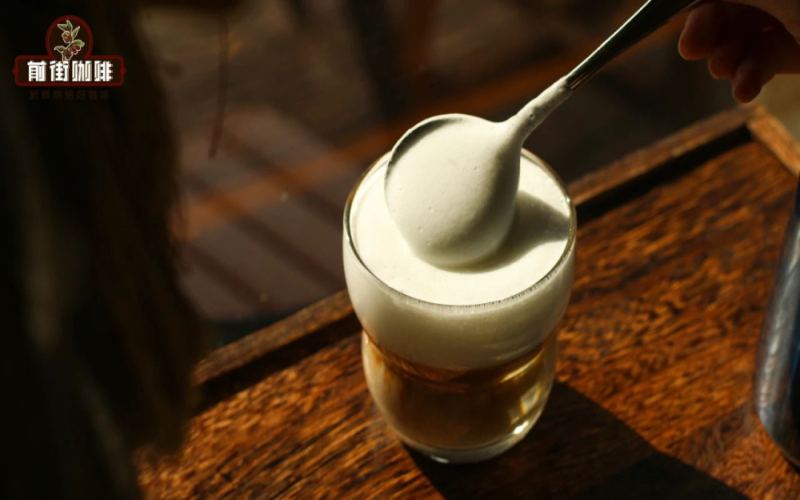
Cappuccino is famous for its rich and full-bodied taste, and behind this lies the espresso extracted by an Italian coffee machine and the delicate, dense milk foam. Although the siphon pot looks cool, it can only produce black coffee. It can neither achieve the concentration of espresso nor froth milk, so it has no place among fancy coffees such as cappuccino and latte. This article will discuss the origin of the name cappuccino, the choice of equipment, and the standard preparation process one by one, focusing on breaking down key steps such as espresso extraction, milk frothing, and milk foam pouring, and sharing Front Street Coffee's parameters and experience in actual production, helping coffee lovers recreate a cup of cappuccino with complete structure and distinct layers at home. [more…]
Flat White Explained: Milk Foam Thickness and Flavor Differences Compared to Latte and Cappuccino
Flat White, this milk coffee, is called 馥芮白 at Starbucks, 醇艺白 at COSTA, and 澳瑞白 at Luckin. The names vary widely—what exactly is it? From the perspective of Front Street Coffee, this article sorts out the controversial origins of Flat White, its differences from latte and cappuccino in milk foam thickness and flavor intensity, and shares in detail Front Street's extraction parameters, milk steaming techniques, and presentation details for making this coffee. If you want to know why an Aussie white tastes more strongly of coffee, has thinner milk foam, and how a standard Flat White should be presented, this content will give you a complete answer. [more…]

The Real Difference Between a Latte and a Cappuccino: Cup Size, Milk Foam, and Mouthfeel Explained in One Go
Walk into any coffee shop, and latte and cappuccino are almost always permanent fixtures on the menu. Many people assume the two differ only in cup size and foam thickness, but the actual differences go far beyond that. From the perspective of Front Street Coffee, this article systematically sorts out the origin stories, ingredient ratios, milk foam handling methods, and cupware selection considerations of these two classic Italian coffees, while also touching on the Dirty coffee that has become popular in recent years. Whether you are a beginner just starting out or a seasoned enthusiast wanting to recreate a proper latte or cappuccino at home, you will find practical references here. [more…]

Starbucks Flat White vs. Americano: A Taste and Bitterness Comparison, and an Analysis of the Core Differences Between Flat White and Cappuccino
On Starbucks' menu, Americano, Latte, and Flat White are all very familiar options to consumers, and among them, Flat White quickly became popular after being introduced in 2020. Many people are curious: which is more bitter, Flat White or Americano? And how is it different from Cappuccino? This article will, from the perspective of Front Street, introduce the definition, origin, and cultural background of Flat White, analyze its differences from Latte and Cappuccino in terms of espresso dosage and milk foam texture, and share the specific way Front Street stores make Flat White, including blend bean selection, the coffee-to-liquid ratio of ristretto, and extraction parameters, to help you understand this milk coffee more comprehensively. [more…]